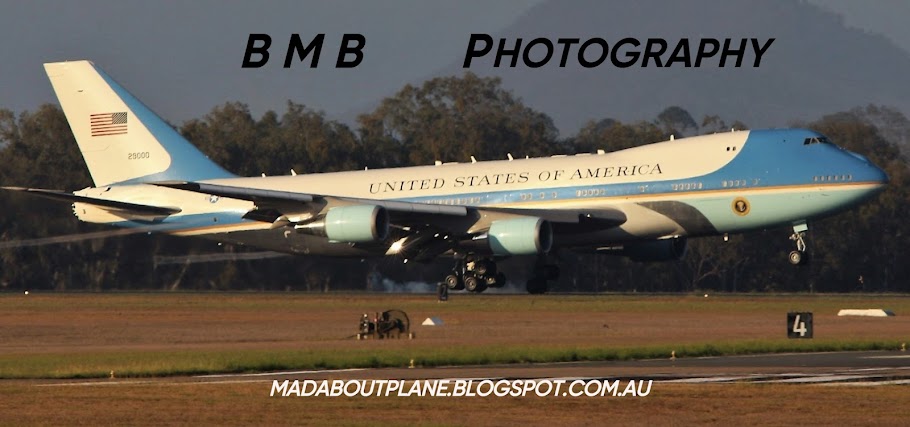
On the 21st of May 2025, US Secretary of Defense Pete Hegseth accepted a Boeing 747-8 private jet, gifted by the state of Qatar, to serve as Trump’s Air Force One. The lavishly outfitted jumbo jet has been used by Qatari royalty and high-ranking politicians in the past and is worth an estimated $450 million.
It was reported last week that the two aircraft, originally scheduled for delivery in 2024 and beset by numerous delays, won’t enter service now until late 2029 at the earliest.
But a beautiful jet does not 'Air Force One' make, and the cost of bringing it up to standard is likely to vastly eclipse the price tag of the plane. Experts speaking to the media said it could cost more than $1 billion to convert the luxury gifted jet into a secure presidential transport.
Indeed, when you consider all the modifications required on this airframe, it seems highly unlikely it will be ready to serve the president anytime soon. The idea of an ‘interim’ Air Force One, with all the efficiencies of a much newer aircraft, looks good on paper. But if the Qatari 747 is to one day fly the president, it’s going to take a mountain of modifications.
It’s enough to make a grown girl cry, but that beautiful interior will need to come out or at least be significantly dismantled. One of the biggest jobs here will be the installation of a hardened, multi-layered communications system, which is not exactly plug-and-play.
Such installations require shielded cabling to be routed through the fuselage, dedicated server racks, data centers, and encryption modules, as well as custom antenna arrays on the fuselage and tail.
To become an aerial command post, the 747-8 will need to defend itself from attack. Naturally, the exact specifications of the current VC-25A defense systems are highly classified, but some inclusions are known (or strongly inferred from similar aircraft), including:
It’s enough to make a grown girl cry, but that beautiful interior will need to come out or at least be significantly dismantled. One of the biggest jobs here will be the installation of a hardened, multi-layered communications system, which is not exactly plug-and-play.
Such installations require shielded cabling to be routed through the fuselage, dedicated server racks, data centers, and encryption modules, as well as custom antenna arrays on the fuselage and tail.
To become an aerial command post, the 747-8 will need to defend itself from attack. Naturally, the exact specifications of the current VC-25A defense systems are highly classified, but some inclusions are known (or strongly inferred from similar aircraft), including:
- Missile detection to monitor for incoming threats from MANPADS or surface-to-air missiles.
- Infrared countermeasures such as DIRCM, which use lasers to blind or confuse heat-seeking missiles.
- Electronic countermeasures such as radar jammers, decoy dispensers, and potentially even electronic warfare suites.
No comments:
Post a Comment